Does CBD Lose Its Potency Over Time?

Your CBD oil sits on the kitchen shelf, and you wonder if those drops still pack the same punch they did six months ago. The short answer is yes, CBD does lose its potency over time, but the reality involves two distinct mechanisms: the natural degradation of cannabinoids and the potential development of tolerance. Understanding both helps you maximize your investment in quality CBD products.
Why CBD Loses Potency: The Scientific Mechanisms
Cannabinoid Degradation
CBD molecules aren’t immortal. Like all organic compounds, they break down through a process called oxidation. When exposed to oxygen, light, or heat, the molecular structure of cannabidiol begins to change, transforming into less active compounds like cannabinol (CBN).
This degradation follows a predictable timeline. Fresh, properly stored CBD oil retains about 90% of its original potency after one year. By the two-year mark, that figure drops to roughly 70-80%. The process accelerates dramatically when storage conditions are poor.
Heat acts as the primary catalyst. Temperatures above 21°C (70°F) can double the degradation rate. UV light breaks down cannabinoid molecules directly, which explains why quality CBD comes in amber glass bottles. Oxygen exposure triggers oxidation reactions that convert active CBD into inactive byproducts.
The Role of Terpenes and the Entourage Effect
Full-spectrum CBD products contain terpenes, aromatic compounds that work synergistically with cannabinoids. These volatile molecules degrade even faster than CBD itself. Myrcene, limonene, and pinene can lose 50% of their concentration within six months under poor storage conditions.
When terpenes degrade, the entourage effect weakens. You might notice that your full-spectrum product feels less effective even if the CBD content remains relatively stable. This explains why some users report diminished effects from older products despite proper storage.
Factors That Accelerate Potency Loss
Inadequate Storage Conditions
Temperature fluctuations cause more damage than consistently warm conditions. Your car’s glove compartment, where temperatures swing from freezing to scorching, represents the worst possible storage environment.
Humidity above 65% encourages mold growth and accelerates chemical breakdown. Below 35%, essential oils evaporate more rapidly. The sweet spot sits between 45-55% relative humidity.
Light exposure, particularly UV rays, destroys cannabinoids within hours. Even indirect sunlight through windows can reduce potency by 10-15% over a few weeks.
Initial Product Quality
CO2 extraction produces the most stable CBD because it preserves the molecular integrity better than ethanol or hydrocarbon methods. Products extracted using harsh solvents often show accelerated degradation.
Carrier oil quality matters enormously. MCT oil remains stable for 18-24 months, while lower-grade vegetable oils can go rancid within 6-8 months, taking your CBD down with them.
Third-party testing reveals not just potency at manufacture, but also the presence of antioxidants like vitamin E that can extend shelf life naturally.
CBD Tolerance: Myth or Reality?
Tolerance Mechanisms vs THC
CBD tolerance differs fundamentally from THC tolerance. While THC binds directly to CB1 receptors in the brain, causing desensitization over time, CBD works through multiple pathways including serotonin receptors, vanilloid receptors, and the endocannabinoid system indirectly.
Research suggests that CBD may actually exhibit reverse tolerance in some users. This phenomenon occurs because CBD helps optimize endocannabinoid system function over time, potentially requiring smaller doses for the same effect.
True CBD tolerance appears rare in clinical studies. Most reported “tolerance” cases involve product degradation, inconsistent dosing, or changes in individual metabolism rather than receptor desensitization.
Individual Factors
Metabolism changes affect CBD processing. Weight fluctuations, liver function, and concurrent medications can alter how your body handles cannabinoids. What feels like tolerance might actually reflect these physiological changes.
Dosage consistency matters more than most realize. Taking CBD sporadically prevents the compound from reaching steady-state levels in your system, creating an impression of reduced effectiveness.
Product switching between different extraction methods or cannabinoid profiles can restore perceived effectiveness, not because of tolerance reversal, but because different formulations interact with your body differently.
Preserving Your CBD’s Effectiveness
Optimal Storage
Temperature control between 16-21°C (60-70°F) maintains potency longest. Refrigeration works for long-term storage but avoid freezing, which can damage the oil’s consistency.
Amber glass bottles with tight-fitting caps provide optimal protection. Never transfer CBD to clear containers or leave caps loose. Even brief air exposure begins the degradation process.
Clean handling prevents contamination. Use the provided dropper exclusively and never let it touch your mouth or other surfaces. Bacteria and saliva introduce contaminants that accelerate breakdown.
Recognizing Degradation Signs
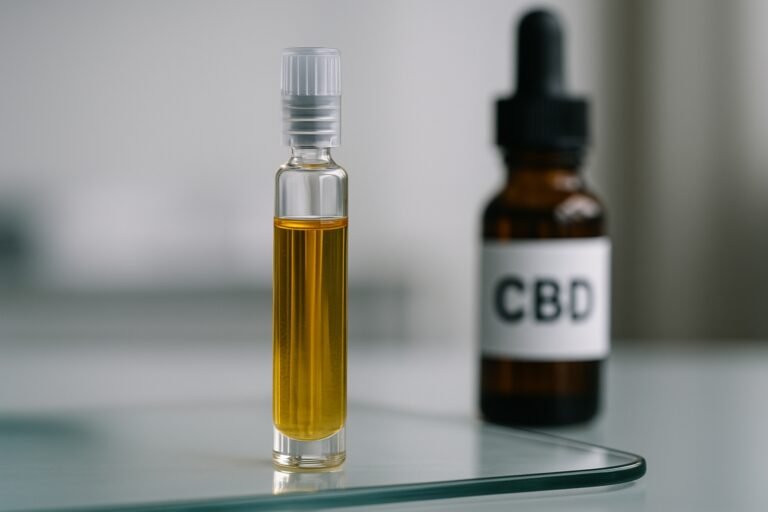
Visual changes appear first. Fresh CBD oil maintains consistent color and clarity. Cloudiness, separation, or darkening indicates degradation. Texture changes like increased viscosity or grittiness signal molecular breakdown.
Aroma shifts from earthy or nutty to rancid or sour reveal carrier oil deterioration. Taste changes follow closely behind. Trust your senses, they’re remarkably accurate degradation detectors.
Potency testing options exist for concerned users. Some companies offer mail-in testing services, though the cost often exceeds replacement product prices.
Quality Standards and Regulations
European Quality Standards
Certificate of Analysis (COA) documents must show testing dates within three months of purchase. Older COAs suggest products sat on shelves too long before reaching consumers.
Batch dating allows tracking from manufacture to consumption. Reputable brands provide batch-specific COAs accessible through QR codes or websites.
Legal shelf life requirements vary by country, but most European regulations mandate two-year maximum shelf lives for CBD products, regardless of actual stability data.
Choosing Durable Products
Packaging quality predicts longevity. Heavy amber glass, nitrogen-sealed bottles, and UV-protective labels indicate manufacturers who understand preservation principles.
Extraction method transparency matters. Brands that clearly explain their CO2 extraction processes usually produce more stable products than those using vague terminology.
Brand reliability shows in consistent product quality over time. Established companies with robust quality control produce CBD that maintains potency predictably, while newcomers often struggle with consistency.
Most quality CBD products maintain therapeutic effectiveness for 12-18 months under proper storage conditions. Rather than stockpiling large quantities, buy what you’ll use within this timeframe. Your body and wallet will thank you for prioritizing fresh, potent products over bulk storage challenges.