Does CBD Help with Sleep Apnea? What Current Research Reveals

Sleep apnea affects millions of people worldwide, leaving many searching for alternatives to traditional treatments like CPAP machines. With CBD gaining popularity as a natural sleep aid, it’s natural to wonder whether it might help with sleep apnea symptoms. The answer, however, is more complex than many realize and requires a careful look at what current research actually shows.
Understanding Sleep Apnea and Current Treatment Challenges
Sleep apnea is a serious condition where breathing repeatedly stops and starts during sleep. Obstructive sleep apnea (OSA), the most common form, occurs when throat muscles relax and block the airway. Less common is central sleep apnea, where the brain fails to send proper signals to breathing muscles.
Traditional treatments center around CPAP therapy, which uses pressurized air to keep airways open. While effective, many patients struggle with CPAP compliance due to discomfort, noise, or claustrophobia. This has led people to explore alternatives, including oral appliances, lifestyle changes, and increasingly, natural remedies like CBD.
The appeal is understandable. CBD doesn’t require bulky equipment, has fewer immediate side effects than pharmaceuticals, and many people already use it successfully for sleep issues. But sleep apnea isn’t just about falling asleep – it’s about maintaining safe, unobstructed breathing throughout the night.
What the Science Actually Says About CBD and Sleep Apnea
The Limited Direct Research
Here’s the reality: there’s virtually no direct research on CBD for sleep apnea specifically. Most studies examining cannabinoids and sleep apnea have focused on dronabinol, a synthetic form of THC, not CBD. This distinction matters because THC and CBD work differently in the body and have different effects on breathing and muscle relaxation.
A 2024 systematic review examining cannabinoids for obstructive sleep apnea found promising results – but nearly all studies involved dronabinol, not CBD. The review noted that eight of nine studies showed statistically significant improvements in sleep apnea symptoms, but the median treatment duration was only three weeks, far too short to assess long-term safety or effectiveness.
Promising but Preliminary Evidence
The limited research that does exist suggests some potential mechanisms by which cannabinoids might help. Animal studies have shown that certain cannabinoids can stabilize respiratory patterns during sleep and reduce the frequency of breathing interruptions. One study found that dronabinol reduced apnea episodes by 42% during non-REM sleep and 58% during REM sleep in rats.
However, translating animal research to humans requires caution, especially with something as complex as sleep apnea. The endocannabinoid system that CBD interacts with does play a role in respiratory control, but we don’t yet understand how CBD specifically affects the muscles and neural pathways involved in sleep apnea.
The Potential Benefits: Why Some Consider CBD
Indirect Sleep Benefits
While direct evidence for sleep apnea is lacking, CBD has shown promise for related sleep issues. CBD for anxiety has substantial research support, with studies showing it can reduce anxiety levels in up to 80% of users within a month. Since anxiety often worsens sleep apnea symptoms and makes CPAP compliance more difficult, addressing anxiety could provide indirect benefits.
CBD may also improve overall sleep quality by interacting with the endocannabinoid system, which helps regulate sleep-wake cycles. Some users report falling asleep faster and experiencing less fragmented sleep, though individual responses vary significantly.
Respiratory Considerations
One potential advantage of CBD over traditional sleep aids is that it doesn’t appear to depress the central nervous system the way alcohol, benzodiazepines, or opioids do. These substances can worsen obstructive sleep apnea by over-relaxing throat muscles, but CBD doesn’t seem to have this same effect.
Some research suggests CBD may have anti-inflammatory properties that could theoretically benefit airway inflammation, though this hasn’t been studied specifically in sleep apnea patients.
The Concerns: Why Medical Experts Urge Caution
American Academy of Sleep Medicine Position
The American Academy of Sleep Medicine (AASM) has taken a clear stance against using cannabis products for sleep apnea. Their official position statement recommends excluding sleep apnea from medical cannabis programs due to “insufficient evidence of effectiveness, tolerability, and safety.”
This isn’t just professional caution – it’s based on legitimate concerns about how cannabinoids might affect the complex mechanisms underlying sleep apnea. The AASM emphasizes that patients should discuss treatment options with licensed medical providers at accredited sleep facilities rather than self-medicating with unregulated products.
The Muscle Relaxation Question
Here’s where things get concerning for sleep apnea patients. While CBD may not depress the central nervous system like other substances, it can still cause muscle relaxation. For someone with obstructive sleep apnea, additional relaxation of throat and tongue muscles could potentially worsen airway collapse.
This is particularly worrying because the effect might not be immediately apparent. Unlike choking or gasping that might wake someone up, subtle increases in airway restriction could lead to more fragmented sleep and lower oxygen levels without obvious symptoms.
Regulatory and Safety Issues
CBD products aren’t regulated by the FDA for sleep apnea, and quality varies dramatically between manufacturers. Many over-the-counter CBD products contain inconsistent amounts of CBD, undisclosed THC levels, or contaminants that could affect sleep and breathing.
Without standardized dosing guidelines or medical supervision, people may unknowingly take amounts that could interfere with their breathing patterns or interact with other medications.
CBD vs. Other Cannabinoids for Sleep Apnea
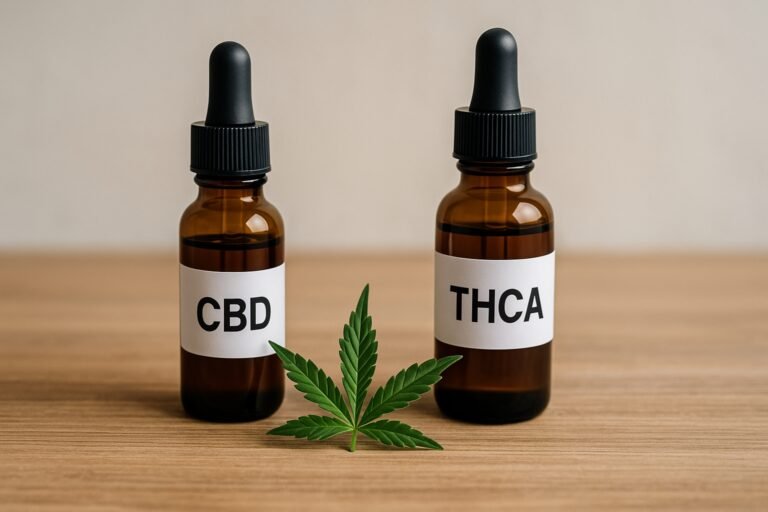
The distinction between different cannabinoids is crucial. Dronabinol, the synthetic THC compound that has shown promise in sleep apnea studies, works differently than CBD. It’s a prescription medication with standardized dosing and medical supervision, unlike over-the-counter CBD products.
Clinical trials with dronabinol have shown reductions in the apnea-hypopnea index (a measure of sleep apnea severity) and improvements in daytime sleepiness. However, 70-80% of participants experienced side effects, including neuropsychiatric and gastrointestinal symptoms.
These studies, while encouraging, involved small numbers of patients for short periods. We still don’t know about long-term safety, effects on cardiovascular health, or how these treatments might interact with common sleep apnea complications like high blood pressure or diabetes.
What Sleep Specialists Recommend Instead
Proven Treatment Options
CPAP therapy remains the gold standard for moderate to severe sleep apnea, with decades of research supporting its effectiveness in reducing apnea episodes, improving oxygen levels, and decreasing cardiovascular risks. For those who struggle with CPAP, oral appliances can be effective alternatives, especially for mild to moderate cases.
Modern CPAP machines are quieter, more comfortable, and more portable than older models. Many patients who initially rejected CPAP find success with proper mask fitting, gradual acclimatization, and addressing underlying issues like nasal congestion.
Lifestyle modifications also play a crucial role. Weight loss, sleeping position changes, avoiding alcohol before bed, and treating underlying conditions like allergies can significantly improve sleep apnea symptoms.
If You’re Considering CBD
If you’re thinking about trying CBD for sleep issues related to sleep apnea, discussing this with a sleep specialist is essential. They can help you understand whether CBD might interfere with your current treatments, interact with medications, or potentially worsen your condition.
Drug interactions are a particular concern. CBD can affect how the liver processes other medications, potentially altering the effectiveness of blood pressure medications, blood thinners, or other drugs commonly used by sleep apnea patients.
The legal status of CBD also varies by location, and some products may contain enough THC to cause impairment or show up on drug tests, which could have employment or legal implications.
The Bottom Line: Current Evidence and Future Research
The current evidence doesn’t support using CBD for sleep apnea as a primary treatment. While some cannabinoids show promise in early research, the studies haven’t focused on CBD specifically, and the long-term safety profile remains unknown.
Ongoing clinical trials are investigating various cannabinoids for sleep disorders, including sleep apnea. These studies may provide clearer answers about effectiveness, optimal dosing, and safety profiles. However, robust results are likely still years away.
For now, the safest approach is sticking with proven treatments while researchers continue to explore cannabinoid therapies under controlled conditions. Sleep apnea is a serious medical condition that increases the risk of heart disease, stroke, and other life-threatening complications. These risks are too significant to rely on unproven treatments, regardless of how natural or appealing they might seem.
If you’re struggling with sleep apnea treatment compliance or looking for additional support, working with a qualified sleep medicine team offers the best chance of finding safe, effective solutions tailored to your specific situation. They can help you explore all evidence-based options while keeping you informed about emerging research that might offer new possibilities in the future.