What is the difference between cbd and thca ?

Two cannabinoids are capturing attention in the wellness world: CBD and THCA. While both come from cannabis plants and offer potential therapeutic benefits without immediate psychoactive effects, they work differently in your body and have distinct legal considerations. Understanding these differences helps you make informed decisions about which might suit your wellness goals.
Understanding the Basics: What Are CBD and THCA?
CBD (Cannabidiol) Explained
CBD is a well-established cannabinoid found in both hemp and cannabis plants. Unlike THC, CBD produces no intoxicating effects regardless of how you consume it. This non-psychoactive nature has made CBD widely accepted, leading to its inclusion in everything from wellness tinctures to skincare products.
Hemp-derived CBD products containing less than 0.3% THC are federally legal in the United States, contributing to CBD’s mainstream availability. You’ll find CBD extracted using various methods, with CO2 extraction being the gold standard for preserving cannabinoid integrity.
THCA (Tetrahydrocannabinolic Acid) Explained
THCA represents the acidic precursor to THC, abundant in raw, fresh cannabis plants. In its natural state, THCA produces no psychoactive effects because its molecular structure prevents it from binding effectively to brain receptors responsible for the “high” associated with cannabis.
The key characteristic of THCA is its instability. When exposed to heat through smoking, vaping, or cooking, THCA undergoes decarboxylation, converting into psychoactive THC. This transformation explains why raw cannabis doesn’t produce intoxicating effects, but heated cannabis does.
Key Differences Between CBD and THCA
Molecular Structure and Chemistry
The fundamental difference lies in their chemical structures. CBD contains a hydroxyl group, while THCA has a carboxylic acid group (COOH) attached to its molecular framework. This seemingly small difference creates dramatically different properties and effects.
THCA’s carboxylic acid group makes it larger and more polar than THC, preventing it from crossing the blood-brain barrier effectively. This structural feature explains why THCA remains non-psychoactive until the acid group is removed through heating.
CBD maintains its stable structure regardless of temperature, making it predictable and consistent in its effects.
Psychoactive Potential
CBD remains completely non-psychoactive under all circumstances. Whether you consume it raw, heated, or processed, CBD will never produce intoxicating effects. This consistency makes CBD suitable for those seeking therapeutic benefits while maintaining clear mental function.
THCA exists in a dual state. In its raw form, it produces no psychoactive effects. However, heat transforms THCA into THC, which is highly psychoactive. This conversion can happen through intentional heating (smoking, vaping) or unintentional exposure to high temperatures during storage or processing.
Even minimal heating can trigger partial conversion, making THCA products potentially unpredictable if not properly handled and stored.
Interaction with the Endocannabinoid System
CBD interacts with your endocannabinoid system by binding to CB1 and CB2 receptors without fully activating them. This partial interaction allows CBD to influence pain perception, inflammation, and anxiety without producing intoxication. CBD also affects serotonin receptors, contributing to its potential anti-anxiety and mood-supporting properties.
THCA takes a different approach. Recent research shows THCA activates PPARγ (peroxisome proliferator-activated receptor gamma), a nuclear receptor involved in metabolism, inflammation control, and neuroprotection. THCA also influences various ion channels and enzymes, including COX-1, COX-2, and TRPV channels, creating distinct therapeutic pathways.
This difference in mechanism suggests CBD and THCA may complement each other rather than compete, targeting different aspects of health and wellness.
Therapeutic Properties and Research
CBD’s Established Benefits
CBD benefits from extensive research spanning decades. Studies demonstrate anti-inflammatory properties that may help with conditions like arthritis and inflammatory bowel conditions. CBD shows promise for anxiety management, with human trials indicating significant reductions in social anxiety and general anxiety disorders.
Sleep support represents another well-documented CBD application. Many users report improved sleep quality, though CBD’s effects on sleep appear dose-dependent and individual. CBD also shows anticonvulsant properties, leading to FDA approval of Epidiolex for certain types of epilepsy.
The research foundation for CBD continues expanding, with ongoing studies exploring its potential in neurodegenerative diseases, chronic pain management, and addiction recovery.
THCA’s Emerging Potential
THCA research remains in earlier stages but shows compelling results. Recent studies reveal significant neuroprotective effects, particularly relevant for neurodegenerative conditions. A 2023 study found THCA and CBDA reduced Alzheimer’s-related proteins in mouse models while improving cognitive function.
Anti-inflammatory activity appears particularly strong with THCA. Research indicates THCA may outperform CBD in certain inflammatory conditions, especially those affecting the digestive system. Some studies suggest THCA should be preferred over CBD for non-psychoactive treatment of inflammatory bowel disease.
Anti-nausea effects show promise, with animal studies indicating THCA may be more effective than THC at equivalent doses for suppressing nausea and vomiting. This finding has significant implications for cancer patients undergoing chemotherapy.
PPARγ activation by THCA opens possibilities for metabolic health applications, including potential benefits for diabetes management and obesity-related complications.
Research Limitations and Future Directions
THCA faces significant research challenges due to its instability. Many laboratory studies suffer from THCA degradation during storage and testing, leading to contamination with THC. This instability complicates both research efforts and commercial product development.
Most THCA studies remain preclinical, conducted in cell cultures or animal models. Human trials are limited, making it difficult to establish optimal dosing, safety profiles, and clinical efficacy.
CBD enjoys more robust human data but still requires research in specific populations, long-term use effects, and optimal formulations for different conditions.
Legal Status and Availability
CBD Legal Framework
The 2018 Farm Bill federally legalized hemp-derived CBD containing less than 0.3% THC by dry weight. This legislation opened the door for widespread CBD availability across the United States, though individual states may impose additional restrictions.
Quality varies significantly in the CBD market. Look for products with third-party lab testing, clear labeling, and certificates of analysis (COAs) showing cannabinoid content and contaminant screening.
Internationally, CBD legal status varies. Many countries allow CBD products with minimal THC content, but regulations change frequently.
THCA’s Complex Legal Position
THCA occupies a legal gray area. While hemp-derived THCA products technically fall under the Farm Bill’s protections when containing less than 0.3% delta-9 THC, the potential for conversion to THC creates regulatory uncertainty.
Some states have specifically addressed THCA, while others rely on federal guidelines. Law enforcement and regulatory agencies may treat THCA differently, particularly when heating or conversion equipment is involved.
The legal landscape continues evolving. Products containing THCA may face restrictions or require special licensing in certain jurisdictions, even when derived from legal hemp.
Practical Considerations: Which Should You Choose?
Product Forms and Consumption
CBD products offer extensive variety and convenience. Oil tinctures provide precise dosing and fast sublingual absorption. Capsules offer consistent dosing for those who prefer traditional supplement formats. Topical CBD products target localized issues without systemic effects.
Edible CBD products like gummies provide longer-lasting effects but slower onset due to digestive processing. Vaping CBD offers rapid effects but requires careful product selection to avoid harmful additives.
THCA products require more careful handling. Raw cannabis preparations, cold-extracted tinctures, and carefully processed edibles can preserve THCA content. However, any exposure to heat during manufacturing, storage, or consumption can trigger conversion to THC.
THCA crystals or isolates offer concentrated potency but demand proper storage conditions to prevent degradation.
Drug Testing Considerations
CBD products may still pose drug testing risks if they contain trace amounts of THC. Full-spectrum CBD products are more likely to trigger positive tests than isolate-based products. Choose products with undetectable THC levels if drug testing is a concern.
THCA presents higher drug testing risks. Even if consumed in raw form, THCA can convert to THC in the body or during testing procedures. Standard drug tests typically screen for THC metabolites, which could appear regardless of whether you experienced psychoactive effects.
If you face regular drug testing, consult with testing administrators about cannabinoid use and consider avoiding THCA products entirely.
Making Your Decision
Consider your primary wellness goals. For anxiety, sleep support, or general inflammation management with extensive safety data, CBD offers a well-researched option. For neuroprotection, severe inflammation, or nausea management, THCA might provide unique benefits despite limited human data.
Legal considerations play a crucial role. If you live in a state with restrictive cannabis laws or face regular drug testing, CBD from reputable hemp sources offers safer legal ground.
Product availability and quality favor CBD currently. The established CBD market provides more testing, quality control, and product consistency than emerging THCA markets.
Always consult healthcare providers before starting any cannabinoid regimen, especially if you take medications or have underlying health conditions.
Safety and Side Effects
CBD Safety Profile
CBD is generally well-tolerated by most people, with mild side effects including drowsiness, dry mouth, and digestive changes. These effects typically diminish with continued use or dosage adjustments.
Drug interactions require attention. CBD can affect how your body processes certain medications, particularly those metabolized by liver enzymes. Discuss CBD use with your doctor if you take prescription medications.
Most people tolerate CBD doses up to 200mg daily without significant issues, though optimal dosing varies based on individual factors and intended effects.
THCA Safety Considerations
THCA safety data remains limited in humans. Animal studies suggest good tolerability, but we lack comprehensive human safety profiles for various doses and extended use periods.
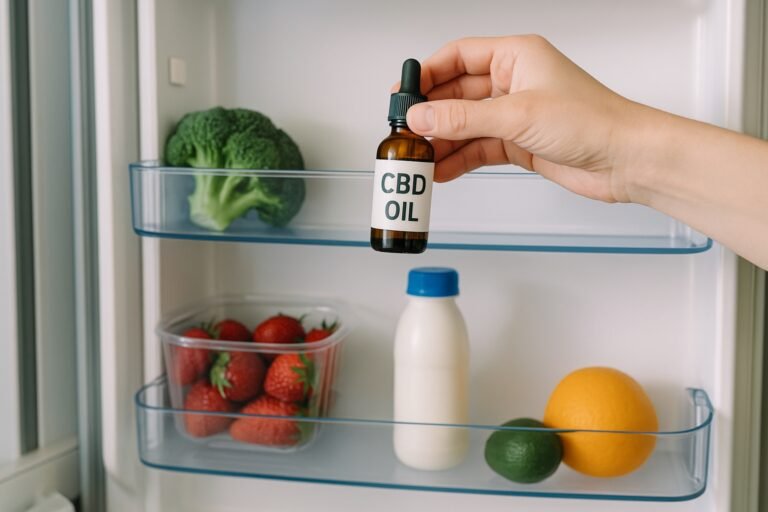
Storage and handling present unique challenges. THCA products require cool, dark storage conditions to prevent degradation. Improper storage can lead to unpredictable THC content and potential legal complications.
Accidental conversion risks exist with any heat exposure. Even leaving THCA products in hot cars or near heat sources can trigger conversion to psychoactive THC.
The therapeutic potential of both CBD and THCA continues expanding as research advances. Your choice between these cannabinoids depends on your specific wellness goals, legal considerations, and comfort with emerging versus established options. Quality testing, proper storage, and healthcare consultation remain essential regardless of your selection.