Can CBD Cause Panic Attacks? The Science Behind CBD and Anxiety

The idea that CBD might trigger panic attacks seems contradictory given its reputation for promoting calm. Yet some users report experiencing anxiety after taking CBD products, raising important questions about safety and individual responses. Understanding the difference between high-quality cannabidiol and problematic products helps explain why reactions vary so dramatically.
The Scientific Evidence: CBD’s Anti-Panic Properties
Research consistently demonstrates that pure CBD possesses anxiolytic properties rather than panic-inducing effects. Multiple clinical studies have shown cannabidiol’s ability to reduce anxiety symptoms across various conditions.
A comprehensive 2024 meta-analysis examining eight clinical trials with 316 participants found that CBD significantly reduced anxiety with a substantial effect size. The research specifically highlighted CBD’s effectiveness for generalized anxiety disorder, social anxiety disorder, and post-traumatic stress disorder.
The mechanism behind CBD’s calming effects centers on its interaction with 5-HT1A receptors in the brain’s serotonin system. Unlike THC, which binds directly to cannabinoid receptors and can trigger anxiety, CBD modulates serotonin signaling pathways associated with mood regulation and stress response.
Animal studies consistently show that CBD administration reduces panic-related behaviors. Research using predator-prey models found that CBD decreased defensive immobility, explosive escape responses, and other panic indicators in mice exposed to stress. Similar anti-panic effects were observed in rats subjected to elevated maze tests designed to simulate panic-inducing situations.
Human clinical trials support these findings. A landmark study involving teenagers with social anxiety disorder found that 300mg of daily CBD for four weeks significantly reduced anxiety scores on standardized assessments. Participants showed marked improvement in fear of negative evaluation and social interaction anxiety.
When CBD Might Trigger Anxiety: Real Causes Behind the Confusion
THC Contamination in Low-Quality Products
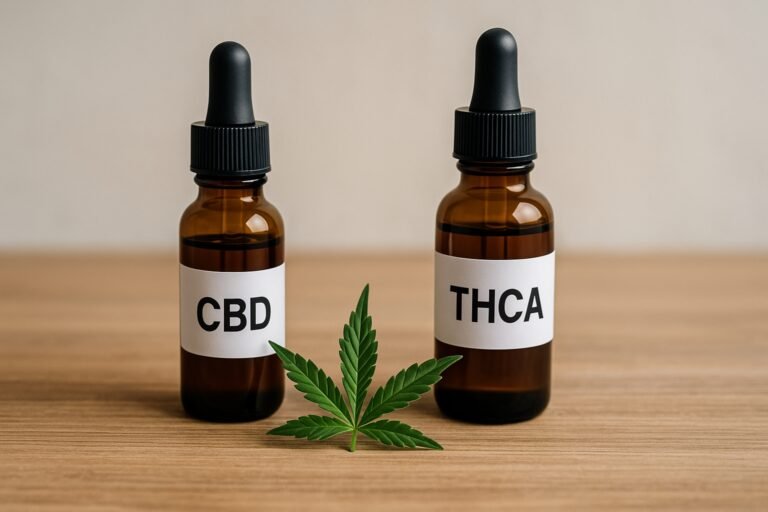
The primary culprit behind CBD-related anxiety episodes isn’t CBD itself but THC contamination in poorly manufactured products. While legal hemp-derived CBD products must contain less than 0.3% THC, many products on the market exceed this limit or fail to accurately label their THC content.
Even minimal THC amounts can trigger anxiety in sensitive individuals. Full-spectrum CBD products naturally contain this small THC percentage alongside other cannabinoids and terpenes. For people with low THC tolerance or anxiety predisposition, these trace amounts may be sufficient to cause discomfort.
Broad-spectrum CBD eliminates THC entirely while preserving other beneficial compounds, making it a safer choice for anxiety-prone users. CBD isolate contains only pure cannabidiol, offering the lowest risk profile for those concerned about any THC exposure.
Third-party laboratory testing reveals concerning discrepancies between product labels and actual cannabinoid content. Studies examining commercially available CBD products found that nearly 70% contained different THC levels than advertised, with some exceeding legal limits by significant margins.
Dosage-Related Factors
CBD exhibits biphasic effects, meaning different doses can produce opposite results. While lower to moderate doses typically reduce anxiety, extremely high doses may paradoxically increase anxiety in some individuals.
Research suggests optimal anxiolytic effects occur within specific dosage ranges. Clinical studies showing positive results for anxiety typically used doses between 25mg to 600mg daily, depending on the condition and individual factors. Starting with doses above this research-backed range may increase the likelihood of adverse reactions.
Individual sensitivity varies considerably based on factors including body weight, metabolism, previous cannabis exposure, and genetic variations in cannabinoid processing. People new to cannabinoids often require lower doses than experienced users to achieve therapeutic effects.
The timing and method of CBD consumption also influence anxiety responses. Sublingual oils provide more predictable onset times compared to edibles, which can take up to two hours to show effects and may lead to accidental overconsumption when users don’t feel immediate results.
Product Quality and Contamination Issues
Beyond THC content, numerous quality control issues plague the unregulated CBD market. Synthetic cannabinoids found in some products can produce unpredictable and potentially dangerous effects, including severe anxiety and panic reactions.
Heavy metal contamination, pesticide residues, and microbial contaminants in poorly produced hemp extracts may contribute to adverse reactions mistakenly attributed to CBD. These contaminants can trigger inflammatory responses or interact with medications in ways that increase anxiety symptoms.
Extraction methods significantly impact product purity and safety. Products using harsh chemical solvents may contain residual toxins that contribute to anxiety responses. CO2 extraction and ethanol extraction methods generally produce cleaner, safer products with fewer contamination risks.
Mislabeling extends beyond cannabinoid content to include synthetic additives, artificial terpenes, and undisclosed ingredients that may interact negatively with sensitive individuals. Some products marketed as “CBD” contain primarily hemp seed oil with minimal actual cannabidiol content.
Individual Risk Factors and Predisposition
Pre-existing Anxiety Disorders
Individuals with existing anxiety disorders may experience heightened sensitivity to any substance that affects their nervous system, including CBD. While research suggests CBD can help manage anxiety symptoms, the initial adjustment period may temporarily increase anxiety in some people.
Drug interactions present another significant concern. CBD can affect the metabolism of certain medications through its impact on liver enzymes, particularly those in the cytochrome P450 system. Common anxiety medications including some SSRIs and benzodiazepines may have altered effectiveness or increased side effects when combined with CBD.
People taking blood thinners, certain antibiotics, or seizure medications face particular risks of drug interactions that could indirectly contribute to anxiety symptoms. These interactions may not immediately manifest as panic attacks but can create physiological changes that increase anxiety susceptibility.
Genetic variations in cannabinoid receptor sensitivity and metabolic processing can influence individual responses to CBD. Some people possess genetic profiles that make them more likely to experience adverse reactions to cannabinoids, even at typically well-tolerated doses.
Environmental and Psychological Factors
Set and setting significantly influence cannabinoid experiences, including CBD. Taking CBD for the first time in an unfamiliar environment or during a stressful period may increase anxiety regardless of the compound’s inherent properties.
Expectation bias and nocebo effects play important roles in CBD experiences. People who expect negative reactions or who have heard about others experiencing anxiety with CBD may be more likely to interpret normal bodily sensations as panic symptoms.
First-time users often experience heightened awareness of bodily sensations that can be misinterpreted as anxiety symptoms. The subtle effects of CBD, including mild changes in perception or physical relaxation, may feel unfamiliar and concerning to new users.
Social and legal concerns about cannabis products may create underlying stress that compounds with CBD effects. In regions where cannabis remains stigmatized or legally ambiguous, users may experience anxiety related to product use rather than the CBD itself.
What to Do If You Experience Anxiety with CBD
If you experience anxiety after taking CBD, remember that effects are temporary and typically subside within a few hours. CBD’s half-life in the body ranges from 2-5 hours, meaning symptoms should gradually improve as the compound is metabolized.
Stop using the product immediately and assess its quality and composition. Check for third-party lab results, verify THC content, and investigate the manufacturer’s reputation and quality control practices. Many anxiety episodes trace back to contaminated or mislabeled products rather than pure CBD.
Practice grounding techniques including slow, deep breathing exercises to manage immediate anxiety symptoms. Progressive muscle relaxation, mindfulness meditation, or simple breathing exercises can help reduce panic sensations while waiting for effects to subside.
Stay hydrated and move to a comfortable, familiar environment if possible. Avoid caffeine or other stimulants that might exacerbate anxiety symptoms. Light physical activity like walking can help metabolize the CBD more quickly and reduce anxiety through natural endorphin release.
Contact a healthcare provider if symptoms persist beyond a few hours, are severe, or if you’re taking other medications. Medical professionals can assess potential drug interactions and provide guidance on safe CBD use based on your individual health profile.
Document the experience including the product used, dosage taken, timing, and symptoms experienced. This information helps identify patterns and assists healthcare providers in making informed recommendations for future use.
Choosing CBD Products to Minimize Anxiety Risk
Certificates of Analysis (COA) from independent laboratories provide crucial information about product safety and composition. These documents should show cannabinoid profiles, pesticide testing, heavy metal screening, and microbial analysis results. Reputable companies make COAs easily accessible on their websites.
Start with broad-spectrum CBD or CBD isolate products to eliminate THC-related anxiety risks. These formulations provide CBD’s potential benefits without the psychoactive compound that most commonly triggers anxiety in sensitive individuals.
Begin with low doses, typically 5-10mg daily, and increase gradually over several days or weeks. This approach allows you to identify your optimal therapeutic dose while minimizing the risk of adverse reactions. Clinical research supports starting conservatively and adjusting based on individual response.
Choose products from companies with transparent manufacturing processes, organic hemp sources, and comprehensive quality testing protocols. Look for brands that provide detailed information about extraction methods, sourcing practices, and quality control measures.
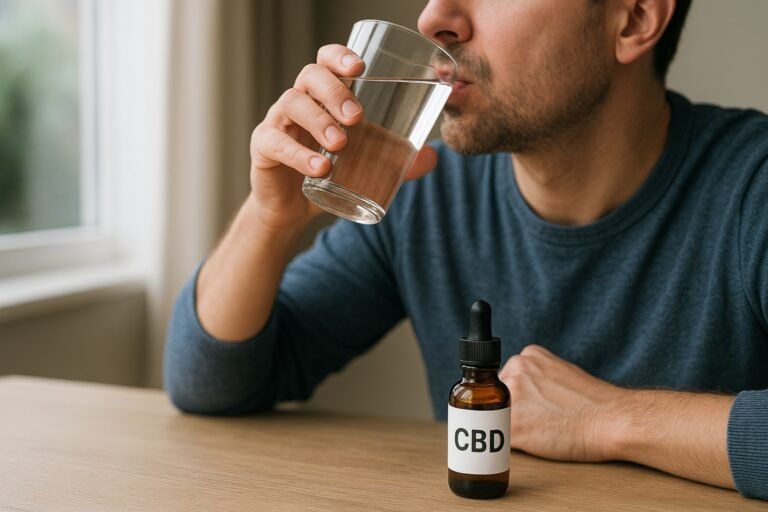
Consider sublingual oils for more predictable onset times and easier dose control compared to edibles or capsules. Oils allow for precise dosing and faster onset, helping prevent accidental overconsumption that may contribute to anxiety symptoms.
Avoid products making unrealistic health claims or lacking proper regulatory compliance information. Legitimate CBD companies provide clear disclaimers about their products not being intended to diagnose, treat, cure, or prevent any disease, as required by regulatory guidelines.
Research from multiple clinical trials consistently shows that pure, high-quality CBD tends to reduce rather than increase anxiety symptoms. When anxiety does occur with CBD products, investigation typically reveals product quality issues, THC contamination, dosage problems, or individual sensitivity factors rather than inherent properties of cannabidiol itself. Understanding these distinctions empowers consumers to make informed decisions and use CBD products safely and effectively.