Do CBD Candles Work? The Science Behind the Trend

CBD candles have become increasingly popular as people seek gentler ways to incorporate cannabidiol into their wellness routines. But behind the soothing glow and pleasant aromas lies an important question: do these candles actually deliver the therapeutic benefits that CBD is known for? The answer requires examining both the science of CBD absorption and the realistic expectations for this trendy product.
How CBD Candles Are Supposed to Work
The Basic Mechanism
CBD candles combine traditional candle-making with hemp-derived CBD oil mixed into the wax. When lit, the heat from the flame melts the wax, theoretically releasing CBD molecules into the air through vaporization. This process is meant to allow you to inhale these compounds and experience their potential benefits.
The concept relies on the same principles as aromatherapy diffusers, where heated oils disperse therapeutic compounds throughout a room. Manufacturers claim that as the CBD-infused wax melts, it creates an ambient delivery system that doesn’t require direct consumption or topical application.
Absorption Challenges
Here’s where science meets marketing claims. For CBD to provide therapeutic effects, it needs to reach your endocannabinoid system in sufficient concentrations. Research shows that bioavailability through inhalation ranges from 11% to 45% under optimal conditions, but this applies to direct, concentrated inhalation like vaping.
With CBD candles, several factors dramatically reduce effectiveness. The CBD molecules become heavily diluted as they disperse throughout the room’s air volume. Unlike smoking or vaping, where you inhale concentrated vapor directly, candle-released CBD becomes so diluted that each breath contains negligible amounts.
Additionally, heat can degrade CBD compounds, and the low-temperature melting of candle wax may not create the ideal conditions for effective vaporization that higher-heat methods achieve.
The Scientific Reality: Limited Effectiveness
What Research Shows
Cannabis specialists and researchers are increasingly frank about CBD candles’ limitations. The benefits of CBD candles mostly come from the relaxing scents and the stress-reducing atmosphere candles create in a space. Simply put, it’s hard to get the benefits of the CBD cannabinoid into your system by diffusing it into the air.
The physics of atmospheric diffusion works against meaningful CBD delivery. Even still, while most CBD candles may be infused with a CBD isolate or extract, with the way a CBD candle would be dispersing those cannabinoids into the air, not only are they are likely to decrease in strength very quickly, but they’re also diffused into such minute amounts over such a wide radius as to make their resulting concentration in any given breath negligible.
The “Gimmick” Factor
Many experts in the cannabis industry openly acknowledge that CBD candles are a bit of a gimmick. But they’ve become very trendy based on the fact they have CBD in them. This doesn’t mean they’re worthless, but it does mean expectations should be realistic.
The concentrations released into room air simply cannot compare to proven delivery methods like sublingual oils or edibles, where CBD reaches the bloodstream in therapeutic amounts.
What CBD Candles Actually Provide
Aromatherapy Benefits
The real value of CBD candles often lies not in the CBD itself, but in their aromatherapy properties. Essential oils can have a positive effect on mood and emotions. For example, lavender essential oil is used for its calming effects, while citrus scents promote an uplifting effect.
Many CBD candles incorporate essential oils like lavender, chamomile, or eucalyptus, which have well-documented relaxation benefits through olfactory pathways. The ritual of lighting a candle, dimming harsh overhead lighting, and enjoying pleasant scents can genuinely promote stress reduction and improved mood.
Potential Placebo Effects
The psychological component shouldn’t be dismissed. The expectation of relaxation, combined with the sensory experience of candlelight and aromatherapy, can trigger genuine relaxation responses. While this isn’t the same as direct CBD effects, the end result for stress relief may feel similar to users.
Alternative Uses
Some CBD candles are designed as massage candles, where the melted wax can be applied directly to skin once cooled. This topical application method can potentially deliver CBD benefits, as the skin can absorb cannabinoids when applied directly in sufficient concentrations.
Safety and Quality Considerations
Choosing Safe Products
Not all CBD candles are created equal. Natural wax options like soy or beeswax are preferable to paraffin wax, which can release potentially harmful compounds when burned. Look for products made with organic ingredients and avoid synthetic fragrances that may cause respiratory irritation.
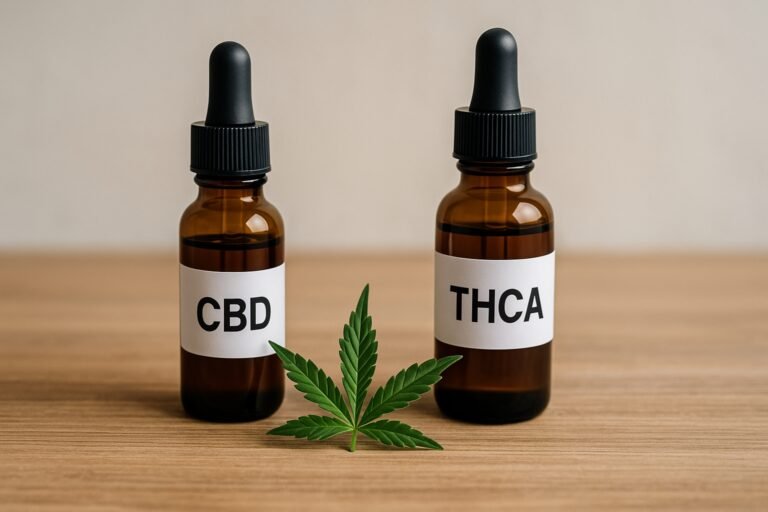
Third-party testing becomes crucial, as you want verification that the product contains the stated CBD amount and has THC content below the legal 0.3% limit. Reputable manufacturers provide certificates of analysis showing cannabinoid profiles and testing for contaminants.
Potential Risks
While generally considered safe, CBD candles aren’t risk-free. People with respiratory sensitivities should use caution with any scented products. CBD can potentially interact with certain medications by affecting liver enzymes that metabolize drugs, though the minimal absorption from candles makes this less likely than with other CBD products.
Those with plant allergies should check ingredient lists carefully, as hemp-derived products and essential oils can trigger reactions in sensitive individuals.
Better Alternatives for CBD Benefits
Proven Delivery Methods
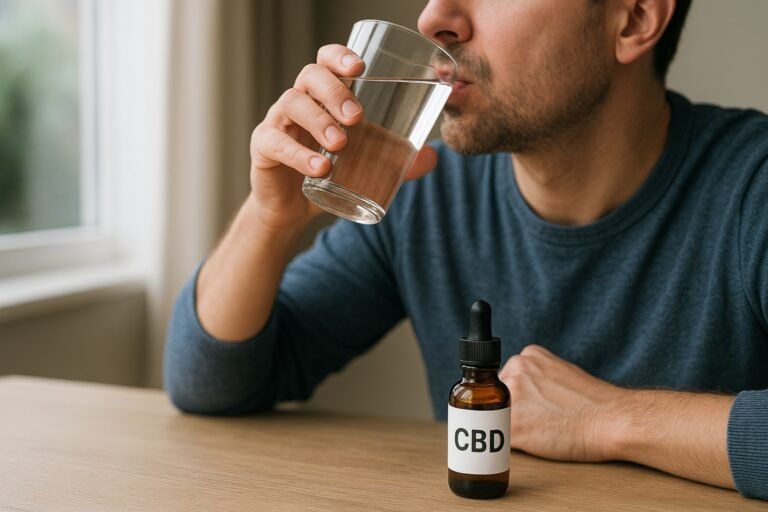
If you’re seeking CBD’s potential therapeutic effects for anxiety relief, pain management, or sleep improvement, more effective options exist. CBD oils and tinctures offer precise dosing and better absorption when held under the tongue. Capsules provide consistent doses, while topical creams target specific areas.
It’s important to remember that CBD candles shouldn’t be relied on as your sole method of CBD consumption if you’re looking for the potential beneficial effects of supporting the endocannabinoid system.
When CBD Candles Make Sense
CBD candles can still have a place in wellness routines as complementary products. They work well for creating relaxing environments, especially when combined with other stress-reduction practices like meditation, reading, or baths. They also make thoughtful gifts for people interested in CBD but hesitant about oils or edibles.
Think of them as premium aromatherapy candles with a potential CBD bonus, rather than primary CBD delivery systems.
Making an Informed Decision
Setting Realistic Expectations
The hyped, and often illegal, marketed claims of CBD as a wellness product are unsubstantiated. Approach CBD candles with appropriate expectations. They’re unlikely to provide the same effects as clinical CBD products, but they may contribute to overall relaxation through aromatherapy and ambiance.
Consider the cost per milligram of CBD compared to other products. Many CBD candles are expensive relative to the actual CBD content, especially given the limited absorption potential.
Quality Indicators
When shopping for CBD candles, prioritize transparency. Reputable brands clearly list CBD concentrations, provide third-party lab results, and use quality base materials. Avoid products making specific medical claims, as these violate regulatory guidelines.
Look for companies that focus on the aromatherapy and ambiance benefits while being honest about CBD delivery limitations. This suggests a more trustworthy approach to product development and marketing.