Does CBD Show on Drug Tests in the UK?

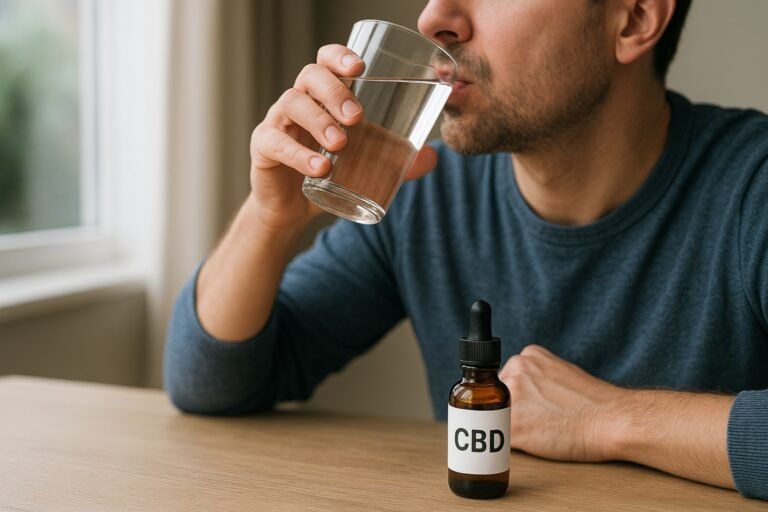
You use CBD oil for stress relief or better sleep, but now you’re facing a workplace drug test. The question keeping you awake at night: will your legal CBD product cause you to fail? The relationship between CBD and drug testing in the UK is more nuanced than most people realize, and getting it wrong could affect your career.
The Short Answer
CBD itself does not show up on standard UK drug tests. These tests are designed to detect THC (tetrahydrocannabinol) and its metabolites, not cannabidiol. However, the risk lies in THC contamination within CBD products. If your CBD contains traces of THC above certain thresholds, you could potentially test positive for cannabis use.
This isn’t about the CBD you’re taking. It’s about the quality and purity of the product you’ve chosen.
How UK Drug Tests Actually Work
UK workplace drug tests target specific substances classified as controlled drugs. THC is the primary cannabis compound they screen for, not CBD. These tests detect THC-COOH, a metabolite your body produces when processing THC.
Standard urine tests can detect THC metabolites for 3-5 days after use, though this extends to several weeks for heavy users. Saliva tests typically detect THC for up to 72 hours, while blood tests show recent use within 7 days. Hair follicle tests, though less common, can detect THC for up to 90 days.
The key detection threshold for UK workplace urine tests is usually 50 ng/mL for initial screening, with confirmatory tests often set at 15 ng/mL. Some ultra-sensitive tests can detect THC levels as low as 20 ng/mL.
These tests don’t look for CBD because it’s legal and non-intoxicating. The concern isn’t what you’re trying to achieve with CBD, but whether your product contains enough THC to trigger a positive result.
The THC Contamination Risk
Here’s where confusion often starts. Many people believe UK CBD products can contain 0.2% THC legally. This is incorrect and stems from agricultural regulations, not consumer product law.
UK consumer CBD products must contain no more than 1mg of THC per container to qualify for “exempt product” status under the Misuse of Drugs Regulations 2001. The 0.2% figure relates to hemp cultivation licenses, not the products you buy in shops.
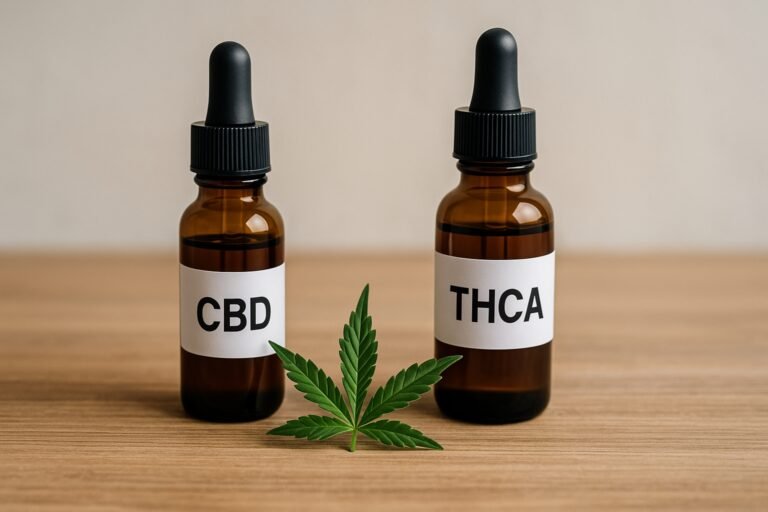
However, the reality is more complex. Full-spectrum CBD products contain all compounds naturally present in hemp, including small amounts of THC. Broad-spectrum products remove most or all THC while retaining other cannabinoids. CBD isolate contains only pure CBD with no other compounds.
The contamination risk comes from several sources:
Poor extraction methods can fail to remove THC effectively. Cross-contamination during manufacturing can introduce THC from other cannabis processing. Some products imported from countries with different regulations may contain higher THC levels than UK law permits.
A 2020 study by the Defence Science and Technology Laboratory found that 37% of tested UK CBD products contained more than the legal THC limit. This isn’t necessarily malicious, but it demonstrates quality control challenges in the industry.
When CBD Users Might Fail a Drug Test
You’re most likely to encounter problems if you use unregulated CBD products, particularly those purchased online from overseas suppliers or in person from questionable sources. Products without proper lab testing or Certificates of Analysis (COA) carry higher contamination risks.
Excessive dosing can also create problems. Even products with legal THC levels might cause issues if you consume large quantities regularly. Taking 200mg+ of contaminated CBD daily could theoretically accumulate enough THC in your system to trigger a positive test.
Manufacturing inconsistency means that even reputable brands occasionally produce batches with higher THC than intended. This is why batch-specific lab reports matter more than general brand certifications.
False positives, while rare, can occur. Certain medications like efavirenz, some NSAIDs (ibuprofen, naproxen), and pantoprazole can sometimes cause false-positive cannabis results on initial screening tests.
Workplace Drug Testing and CBD
CBD use isn’t illegal in the UK, but your employer’s drug policy determines how they handle positive THC results, regardless of the source. Most employers focus on policy compliance rather than the reason behind a positive test.
You’re not legally required to disclose CBD use to your employer beforehand, but transparency often helps. If you work in safety-critical industries like transportation, healthcare, or construction, consider informing your employer about your CBD use and providing product documentation.
Some employers are updating policies to account for legal CBD use, but this varies significantly between organizations. Check your employee handbook or speak with HR about their specific stance on CBD products.
If you test positive for THC, the standard process usually involves a confirmatory test. This more sophisticated testing can distinguish between different THC levels and sometimes identify the likely source of contamination.
How to Use CBD Safely Without Testing Risks
Choose UK-based suppliers who comply with MHRA and Food Standards Agency requirements. These companies typically have stricter quality controls and clearer legal obligations.
Always request third-party lab reports showing the exact cannabinoid profile of your specific product batch. Look for testing that specifically quantifies THC content, ideally showing “not detected” or levels well below 1mg per container.
CBD isolate products carry the lowest risk since they contain only pure CBD. If drug testing is a concern for your employment, isolate products offer the safest option while still providing CBD benefits.
Be particularly cautious with edibles and high-dose products. Gummies, chocolates, and high-concentration oils often require more plant material in manufacturing, potentially increasing contamination risks.
Consider products certified by organizations like the Banned Substance Control Group (BSCG), which provides additional verification of THC-free status.
If You Need to Clear Your System
CBD itself clears your system relatively quickly, typically within 2-5 days depending on usage frequency and your metabolism. However, if your CBD product contained THC, that’s what determines detection windows.
THC elimination depends on several factors: body fat percentage (THC stores in fat cells), metabolism rate, hydration levels, and frequency of use. Regular users may need 2-4 weeks for complete THC clearance, while occasional users typically clear within a week.
There are no reliable detox products that significantly speed THC elimination, despite marketing claims. Staying hydrated, maintaining a healthy diet, and exercising may marginally help, but time remains the only guaranteed solution.
If you have an upcoming test and have been using CBD, stop immediately and allow adequate clearance time based on your usage pattern.
What to Do If You Test Positive
A positive initial screening should trigger a confirmatory test using more sophisticated methods like gas chromatography-mass spectrometry. This can provide more accurate THC quantification and potentially indicate contamination rather than intentional cannabis use.
Document your CBD use thoroughly. Keep receipts, product packaging, and lab reports for any CBD products you’ve used. This information may help explain low-level THC results during any workplace disciplinary process.
Consider requesting hair follicle analysis for THC-COOH if initial urine tests were positive but you believe you only consumed legal CBD. Hair testing can sometimes differentiate between regular cannabis use and occasional THC exposure through contaminated CBD products.
Seek legal advice if your employment is at risk due to a positive test you believe resulted from legal CBD use. Employment law solicitors can advise on your rights and potential remedies.
Contact your CBD supplier if you believe their product caused a positive test result. Reputable companies should investigate contamination reports and may offer support during any resulting workplace issues.