Is CBD Halal? Understanding Islamic Permissibility

The growing interest in cannabidiol (CBD) among health-conscious consumers has prompted an important question within the Muslim community: is CBD permissible under Islamic law? This question requires careful examination of both the CBD molecule itself and the various products containing it. While most Islamic scholars consider pure CBD to be halal, the answer depends on several crucial factors that every Muslim consumer should understand.
CBD and Islam: Scientific and Religious Foundations
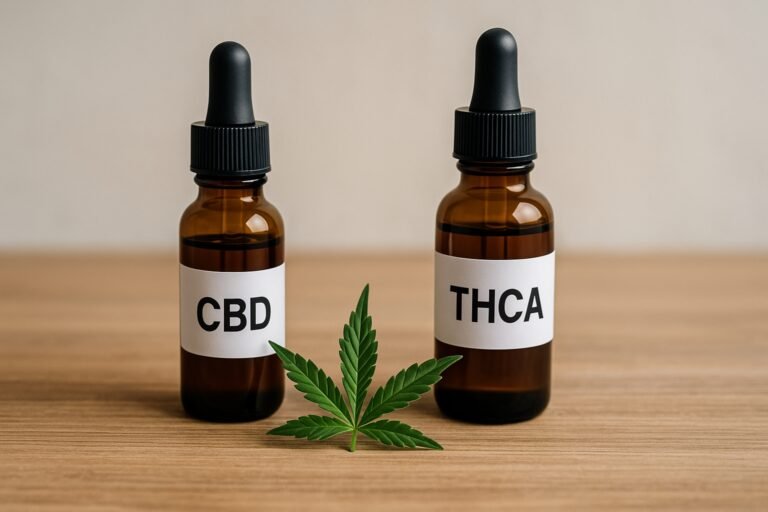
CBD (cannabidiol) is a non-psychoactive compound extracted from hemp plants. Unlike its cousin THC (tetrahydrocannabinol), CBD does not alter mental state or cause intoxication. This distinction is fundamental to understanding its religious permissibility.
According to Islamic jurisprudence, THC serves as the cause (‘illa) for cannabis prohibition. As established in scholarly analysis, any substance that “curtains the mind” or causes intoxication falls under the category of haram. Since CBD lacks these psychoactive properties, it doesn’t trigger the same prohibition.
Scientific research confirms that CBD cannot convert to THC in the human body. Studies involving patients taking high doses of CBD (up to 1,500mg daily) show no THC detection in blood samples, even after weeks of use. This biological reality supports the religious argument for CBD’s permissibility.
The foundational Islamic principle applies here: everything is permitted unless explicitly forbidden. Since CBD itself doesn’t intoxicate and provides potential therapeutic benefits, most scholars classify it as a natural plant remedy, similar to other permitted herbal extracts.
Different Types of CBD Products and Their Halal Status
CBD Isolate: The Safest Option
CBD isolate contains 99% pure cannabidiol with all other compounds removed, including THC. This represents the most straightforward halal option, as it eliminates any concern about trace psychoactive substances. When combined with halal carrier oils, CBD isolate products achieve complete religious compliance.
Islamic authorities consistently approve CBD isolate for its purity and absence of prohibited substances. However, consumers must still verify that other ingredients, such as capsule materials or flavorings, meet halal standards.
Broad Spectrum CBD: Generally Acceptable
Broad spectrum CBD undergoes processing to remove THC while preserving other beneficial cannabinoids and terpenes. This type typically receives approval from Muslim scholars because it maintains the therapeutic entourage effect without psychoactive concerns.
The key requirement is verification through third-party laboratory testing that confirms zero THC content. Reputable manufacturers provide certificates of analysis showing undetectable THC levels, making these products suitable for Muslim consumers.
Full Spectrum CBD: Debate Over THC Traces
Full spectrum CBD contains all naturally occurring hemp compounds, including up to 0.3% THC in some regions (0.2% in Europe). This creates scholarly debate about its halal status.
Many Islamic authorities accept full spectrum products based on the principle that negligible amounts of prohibited substances, when completely absorbed and undetectable in effect, don’t render a product haram. This follows established rulings about trace alcohol in medicine and food.
However, more conservative scholars prefer complete THC avoidance. Individual Muslims must consult knowledgeable religious authorities based on their personal interpretation and comfort level.
Beyond THC: Other Halal Criteria to Verify
Extraction Methods and Alcohol Presence
The extraction process significantly impacts a product’s halal status. CO2 extraction represents the gold standard, using carbon dioxide to extract CBD without alcohol or harmful solvents. This method produces pure, halal-compliant extracts.
Products labeled as tinctures often involve alcohol-based extraction or contain alcohol as a preservative. While some scholars permit products where alcohol is completely evaporated or absorbed, alternatives using vegetable glycerin or MCT oil eliminate any concern.
Muslim consumers should specifically seek products advertising alcohol-free extraction and processing methods.
Non-Halal Ingredients in Finished Products
CBD products frequently contain additional ingredients that may violate halal requirements. Gelatin represents the most common concern, as it’s typically derived from pork. CBD gummies, capsules, and soft gels often contain this prohibited ingredient.
Halal alternatives include products using bovine gelatin from properly slaughtered animals, plant-based capsules, or completely vegan formulations. Vegetarian and vegan CBD products naturally avoid most animal-derived haram ingredients.
Problematic Flavorings and Additives
Artificial flavorings, colorings, and preservatives may contain alcohol-derived compounds or other non-halal substances. Natural flavorings generally present fewer concerns, but verification remains important.
Reading complete ingredient lists becomes essential, as seemingly minor additives can affect a product’s religious permissibility. When in doubt, contacting manufacturers about specific ingredient sources helps ensure compliance.
CBD Vaping: A Controversial Question
Vaping CBD presents a complex issue with varying scholarly opinions. Some Islamic authorities prohibit vaping entirely, viewing it as imitation of sinful smoking behavior, regardless of the substance being vaporized.
The principle of “imitating the actions of sinners” leads some scholars to classify all vaping as haram, even when the vaporized substance itself is halal. This interpretation prioritizes avoiding the appearance of sin over the technical permissibility of CBD.
Other scholars focus on the actual harm principle. If CBD vape products contain no nicotine, no harmful substances, and natural ingredients, some authorities consider them permissible. However, this remains a minority position.
Practical alternatives for CBD consumption include sublingual oils, edibles made with halal ingredients, topical applications, and capsules. These methods avoid the vaping controversy entirely while delivering CBD’s benefits.
How to Choose Halal CBD Products
Laboratory verification forms the cornerstone of halal CBD selection. Look for products with recent certificates of analysis (COA) from independent, third-party laboratories. These documents confirm THC levels, verify advertised CBD content, and test for contaminants.
Reputable companies make COAs easily accessible on their websites or provide them upon request. Any hesitation to share testing results should raise red flags about product quality and transparency.
Reading ingredient lists requires careful attention to every component. Avoid products containing gelatin (unless specified as halal bovine), artificial flavorings with undisclosed alcohol content, and any ingredients you cannot identify or verify.
Halal certification from recognized Islamic organizations provides additional assurance, though certified CBD products remain relatively rare. Some companies specifically market to Muslim consumers and ensure complete compliance with Islamic dietary laws.
Trusted extraction methods include CO2 extraction, cold-pressed extraction, and other solvent-free processes. Avoid products using ethanol extraction unless the manufacturer can guarantee complete alcohol removal and provide religious authority approval.
Scholarly Positions and Regional Variations
Mainstream scholarly consensus supports CBD’s permissibility when derived from hemp with minimal or no THC content. Major Islamic authorities, including Islam Q&A supervised by Sheikh Muhammad Salih al-Munajjid, have issued favorable rulings for THC-free CBD products.
The principle mirrors established rulings about medicine containing trace amounts of prohibited substances. When the prohibited element is undetectable in effect and the product serves beneficial purposes, most scholars grant permission.
Notable religious authorities have addressed CBD specifically. The International Institute for Islamic Thought has discussed cannabis-derived medicines, generally supporting their use when properly purified and medically beneficial.
Regional variations exist in Islamic interpretation. Some Middle Eastern scholars maintain stricter positions about anything cannabis-related, while scholars in Western countries often take more nuanced approaches based on scientific understanding and practical medical needs.
Cultural context influences these interpretations. In regions where cannabis carries strong social stigma, religious authorities may adopt more conservative positions. Conversely, areas with established medical cannabis programs often see more accepting scholarly opinions.
The evolving nature of CBD research and increasing scholarly attention to this topic suggests continued refinement of religious positions. Muslims seeking CBD products should consult knowledgeable local authorities familiar with both Islamic jurisprudence and modern scientific understanding.
Individual consultation with qualified Islamic scholars remains advisable for personal situations. While general principles provide guidance, specific circumstances, health needs, and local religious authority interpretations may influence individual decisions about CBD use.
The intersection of traditional Islamic law with modern wellness products requires ongoing scholarly attention and informed consumer decision-making. As CBD research expands and products evolve, the Muslim community continues developing comprehensive frameworks for evaluating these substances within Islamic guidelines.