Can Expired CBD Oil Hurt You? Safety Facts You Need to Know

You’re organizing your wellness products and find that bottle of CBD oil tucked away in a drawer. You bought it several months ago, but life got busy and you forgot about it. Now you notice the expiration date has passed, yet there’s still plenty of oil left. The question naturally arises: is it safe to use, or could expired CBD oil actually hurt you? The short answer is that expired CBD oil is unlikely to harm you, but the full picture involves understanding what actually changes in the oil over time and when caution is truly warranted.
The Straight Answer on Safety
Expired CBD oil will not hurt you in the way spoiled food might. The cannabinoids themselves don’t become toxic or dangerous as they age. Instead, they gradually break down and lose their effectiveness. This is fundamentally different from bacterial contamination or the formation of harmful compounds that occur with truly spoiled products.
The confusion around CBD oil safety often stems from mixing up two distinct concepts: expiration and spoilage. When CBD oil reaches its expiration date, it primarily means the cannabinoids have begun degrading and the product won’t deliver its intended effects as reliably. True spoilage, which could pose health risks, involves the breakdown of carrier oils or contamination from improper storage.
The real safety concern isn’t the CBD itself, but rather the carrier oils used in the formulation. Most CBD oils use carriers like MCT oil, hemp seed oil, or olive oil. These oils can become rancid over time, especially when exposed to heat, light, or air. Rancid oils develop an unpleasant taste and smell, and while they’re not typically dangerous in small amounts, they can cause stomach upset in sensitive individuals.
What Actually Happens to Expired CBD
Cannabinoid Degradation
When CBD oil ages, the cannabinoids undergo a natural process called degradation. CBD molecules slowly break down due to exposure to oxygen, light, and temperature fluctuations. This process doesn’t create harmful byproducts; it simply reduces the concentration of active compounds in your oil.
Think of it like vitamin C in orange juice. As the juice sits, the vitamin C content diminishes, but the juice doesn’t become poisonous. The same principle applies to CBD oil. After six months past its expiration date, your oil might retain only 70-80% of its original potency. After a year, that number could drop to 50% or less.
This loss of potency explains why expired CBD oil feels less effective rather than harmful. If you typically take 25mg of CBD for sleep support, that same dose from expired oil might only deliver 15mg of active cannabinoids, making it seem like the product “isn’t working anymore.”
The Real Risk: Rancid Carrier Oils
The genuine safety consideration with expired CBD oil lies in the carrier oil component. MCT oil, derived from coconut oil, is generally stable but can develop an off taste and smell when very old. Hemp seed oil contains polyunsaturated fats that are more prone to rancidity, while olive oil falls somewhere in the middle.
When these oils go rancid, they develop a sharp, unpleasant odor and a bitter or sour taste. Consuming small amounts of rancid oil typically won’t cause serious harm, but it can lead to digestive discomfort, nausea, or an upset stomach. People with sensitive digestive systems may experience more pronounced effects.
Warning Signs That Should Alert You
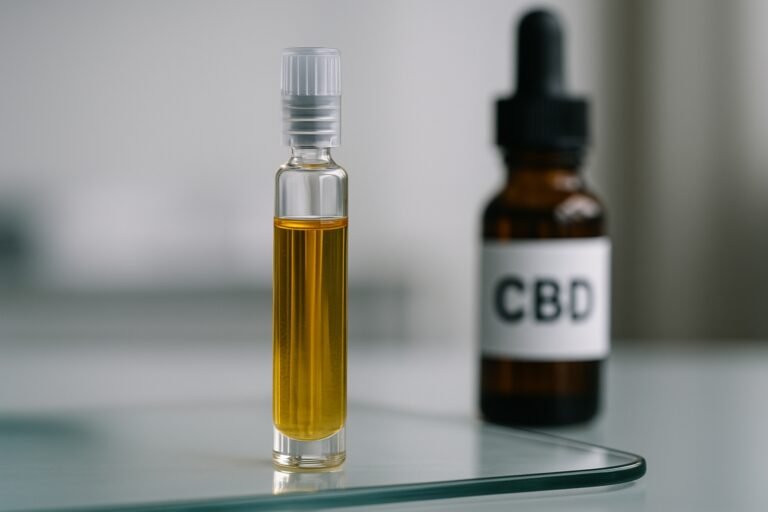
Identifying problematic CBD oil requires using your senses. Fresh CBD oil typically has a light golden to amber color, depending on the extraction method and carrier oil used. If your oil has darkened significantly, becoming brown or murky, this indicates advanced degradation.
The smell test is particularly revealing. Quality CBD oil should have a mild, earthy aroma that’s not unpleasant. If you detect a sharp, acrid smell or something that reminds you of old cooking oil, the carrier oil has likely gone rancid. This is when expired CBD oil transitions from simply being less effective to potentially causing digestive upset.
Texture changes also matter. CBD oil should flow smoothly at room temperature. If it has become unusually thick, separated into layers, or developed floating particles, these are signs of significant degradation. Note that oil stored in cold conditions may naturally thicken and become cloudy, but this should resolve when returned to room temperature.
The taste provides the final confirmation. While CBD oil isn’t known for being delicious, it shouldn’t taste actively bad. A bitter, sour, or metallic taste often indicates rancid carrier oils and suggests the product should be discarded.
When Caution Is Actually Warranted
Not all expired CBD oil poses the same minimal risk. Products that have been stored in poor conditions present greater concerns. CBD oil left in hot cars, stored in direct sunlight, or kept in humid bathrooms degrades much faster and is more likely to develop rancid carrier oils.
Very old products, particularly those more than two years past their expiration date, warrant extra caution. While still unlikely to cause serious harm, the risk of rancid oils and the complete loss of therapeutic value make them poor candidates for consumption.
Any signs of contamination should trigger immediate disposal. If you see mold, unusual growths, or particles floating in the oil, don’t risk it. Similarly, if the bottle shows signs of damage that could have allowed contaminants to enter, err on the side of caution.
Homemade or unregulated products deserve special attention. Commercial CBD oils from reputable manufacturers undergo stability testing and are formulated for longevity. Homemade preparations or products from questionable sources may not have the same safeguards and could present greater risks when expired.
What to Do With Expired CBD Oil
When you discover expired CBD oil, start with a sensory evaluation. If the oil looks, smells, and tastes normal, it’s likely safe to use, though potentially less effective. You might need to increase your dose slightly to achieve the same results, but this should be done gradually.
If the oil shows clear signs of rancidity but no contamination, the decision becomes more personal. Some people with robust digestive systems might tolerate slightly rancid oil without issues, while others prefer to avoid any risk of stomach upset.
For disposal, treat CBD oil like other cooking oils. Small amounts can go in household trash, but larger quantities should be taken to appropriate disposal facilities. Never pour CBD oil down drains or toilets, as it can cause plumbing issues and environmental problems.
From a cost-benefit perspective, consider the price of replacement versus the reduced effectiveness of expired oil. If you paid $80 for a bottle that’s now 50% potent, you’re essentially paying double per effective dose. Often, purchasing fresh oil makes more economic sense.
Preventing the Problem in the Future
Optimal Storage Conditions
Proper storage dramatically extends CBD oil life. Store your oil in a cool, dark location with temperatures between 60-70°F. A medicine cabinet, kitchen pantry, or bedroom drawer works well. Avoid bathrooms due to humidity and temperature fluctuations.
Keep the oil in its original dark glass bottle with the cap tightly sealed. The dark glass protects against light degradation, while airtight sealing prevents oxidation. If you must transfer oil to another container, choose dark glass over plastic or clear containers.
Choosing Products with Better Shelf Life
CO2-extracted CBD oils generally offer better stability than other extraction methods. Full-spectrum oils with natural antioxidants from the hemp plant often last longer than isolated CBD products. Products with minimal additives typically have longer shelf lives than heavily flavored varieties.
Look for manufacturers who provide clear expiration dates and stability testing data. Reputable companies often include certificates of analysis that detail the testing performed on their products.
Buying the Right Quantities
Match your purchase size to your usage pattern. If you take CBD daily, a larger bottle makes economic sense. For occasional users, smaller bottles ensure you’ll finish the product while it’s still potent.
Consider your dosage when calculating needs. Someone taking 50mg daily will finish a 1000mg bottle in 20 days, while someone taking 10mg daily needs 100 days. Factor in the oil’s shelf life to avoid waste.
The bottom line is that expired CBD oil won’t hurt you, but it won’t help you as much either. With proper storage and smart purchasing decisions, you can avoid the expired oil dilemma entirely while getting the most value from your CBD products. When in doubt, trust your senses and prioritize both safety and effectiveness in your wellness routine.