How to Use CBD Tincture: Everything You Need to Know for Safe and Effective Use

CBD tinctures offer one of the most precise and flexible ways to consume cannabidiol. Unlike capsules or gummies, they allow for personalized dosing and faster absorption. Here’s how to use them correctly to maximize their potential benefits while staying safe.
What exactly is a CBD tincture
A CBD tincture is a concentrated liquid extract containing cannabidiol suspended in a carrier base, typically oil or alcohol. The term “tincture” technically refers to alcohol-based extractions, though many manufacturers use it interchangeably with CBD oil drops.
The key difference lies in the base: traditional tinctures use high-proof alcohol as the solvent, while CBD oils use carrier oils like coconut, hemp seed, or MCT oil. Both deliver CBD effectively, but oils tend to have a milder taste and longer shelf stability.
CBD tinctures come in three main varieties. Full spectrum contains all plant compounds including trace amounts of THC (under 0.3%). Broad spectrum includes multiple cannabinoids but removes THC entirely. CBD isolate contains pure cannabidiol with no other plant compounds.
Tinctures excel because they offer precise dosing control and faster absorption compared to edibles, making them ideal for people who want to fine-tune their CBD experience.
The two main methods of use
Sublingual method (recommended approach)
The sublingual method involves placing drops under your tongue and holding them there for 30-60 seconds before swallowing. This technique allows CBD to absorb directly through the mucous membranes into your bloodstream.
Under your tongue sits a network of tiny blood vessels called capillaries. When CBD contacts these capillaries, it bypasses your digestive system entirely, leading to higher bioavailability and faster effects. Most people notice initial effects within 15-30 minutes using this method.
The effects typically last 2-4 hours, making sublingual administration perfect for targeted relief or when you need predictable timing.
Direct ingestion (alternative)
You can also swallow CBD tincture directly or mix it into food and beverages. While this approach masks any earthy taste, it significantly reduces absorption efficiency.
When ingested, CBD must travel through your digestive system, where stomach acid and liver enzymes break down much of the compound before it reaches your bloodstream. This first-pass metabolism means you’ll need higher doses to achieve similar effects.
Ingested CBD takes 1-2 hours to work but provides longer-lasting effects, often 4-6 hours. Choose this method if you prefer sustained, background support rather than targeted relief.
How to determine the right dosage
Factors that influence your dose
Several factors determine your optimal CBD dosage. Body weight plays a significant role, with larger individuals typically requiring higher doses. Your metabolism affects how quickly your body processes CBD, while your specific goals influence the amount needed.
Someone seeking mild relaxation might need 10-15 mg, while someone addressing significant discomfort might require 25-50 mg or more. Individual tolerance varies dramatically between people, making personal experimentation essential.
Pre-existing health conditions, other medications, and even the time of day can influence how CBD affects you.
Beginner’s starting protocol
Start with 5-10 mg of CBD once or twice daily. This conservative approach allows you to assess how your body responds without overwhelming your system.
Use the titration method: maintain your starting dose for 3-7 days, carefully observing any effects or changes. If you don’t achieve your desired results, increase by 5 mg and repeat the observation period.
Continue this gradual increase until you find your “sweet spot” where you experience benefits without unwanted side effects. Most people find their optimal dose between 10-40 mg daily, though some may need more.
Never exceed 70 mg daily without professional guidance, as higher doses can potentially cause drowsiness or other side effects.
How to calculate your dose with your tincture
Reading tincture labels correctly is crucial for accurate dosing. Look for the total CBD content and bottle size to calculate concentration. A 30ml bottle containing 600mg of CBD provides 20mg per milliliter.
Most tinctures include graduated droppers marked at 0.25ml, 0.5ml, 0.75ml, and 1ml intervals. A standard dropper holds approximately 1ml, containing about 20 drops.
Using our 600mg example, each full dropper delivers 20mg of CBD, while a half-dropper provides 10mg. Start by counting drops until you’re comfortable with your measurements, then use the dropper markings for consistency.
Step-by-step instructions
Step 1: Shake the bottle vigorously for 10-15 seconds. CBD can separate from carrier oils over time, making this essential for consistent dosing.
Step 2: Fill the dropper to your calculated dose level. Squeeze the rubber bulb, insert into the liquid, then slowly release to draw up the tincture.
Step 3: Place the dropper under your tongue and squeeze gently to release the liquid. Avoid touching the dropper to your tongue to prevent contamination.
Step 4: Hold the tincture under your tongue for 30-60 seconds. This waiting period maximizes sublingual absorption. The longer you hold it, the more CBD absorbs directly into your bloodstream.
Step 5: Swallow the remaining liquid. Any residual CBD will be processed through your digestive system, providing additional effects.
Step 6: Wait at least 2 hours before taking more. Track your experience, noting dose, timing, and effects in a journal to identify patterns and optimize your routine.
Common mistakes to avoid
The biggest mistake is not holding the tincture long enough under your tongue. Many people immediately swallow, missing the faster sublingual absorption and requiring higher doses for the same effects.
Starting with excessive doses is another frequent error. While CBD has an excellent safety profile, taking too much can cause drowsiness, digestive upset, or diminished effects. The relationship between CBD dose and effect follows a bell curve, where too much can actually reduce benefits.
Inconsistent use prevents many people from experiencing CBD’s full potential. CBD works best with regular use, as it builds up in your system over time. Using it sporadically or stopping after just a few days doesn’t allow for proper assessment.
Contaminating your dropper by touching it to your mouth or other surfaces can introduce bacteria and affect product quality. Always keep the dropper clean and avoid contact with surfaces.
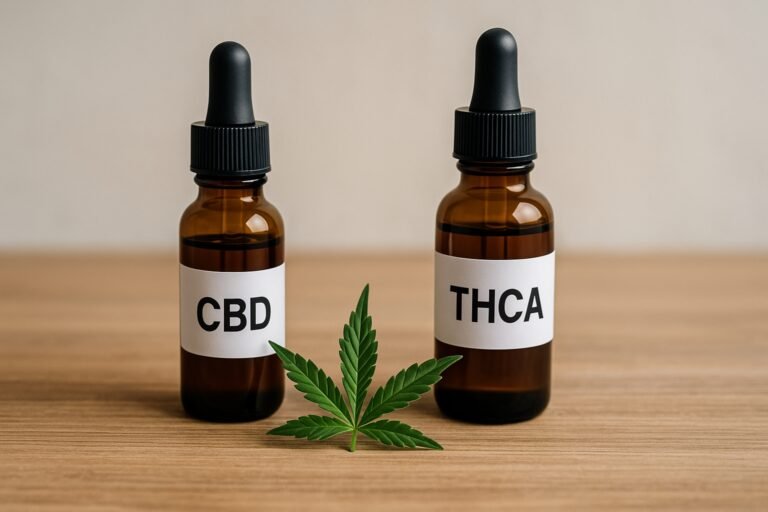
Many people also confuse CBD and THC products, particularly in states where both are legal. Always verify your product contains less than 0.3% THC if you want to avoid psychoactive effects or drug test concerns.
Storage and shelf life
Store your CBD tincture in a cool, dark place away from direct sunlight and heat sources. A kitchen cupboard or medicine cabinet works perfectly. Avoid storing in bathrooms where humidity and temperature fluctuate.
Most CBD tinctures maintain potency for 12-24 months when stored properly. Dark glass bottles protect against light degradation, while tight-fitting caps prevent oxidation.
Watch for signs of degradation including changes in color, consistency, or smell. Fresh CBD tinctures have a mild, earthy aroma. If your tincture develops a rancid or unpleasant odor, or if the liquid becomes unusually thick or separated, it’s time to replace it.
Cold temperatures may cause oil-based tinctures to thicken or become cloudy. This is normal and doesn’t indicate spoilage. Simply allow the bottle to return to room temperature before use.
What to expect and when to be concerned
Normal effects and timeline
CBD effects are often subtle rather than dramatic. Many people expect immediate, obvious changes similar to pharmaceutical medications. Instead, CBD typically provides gentle support that becomes more apparent over time.
With sublingual use, you might notice initial relaxation or mild mood changes within 15-30 minutes. Some people report feeling “centered” or experiencing reduced background tension. These effects build gradually and may become more pronounced with consistent use.
Individual responses vary significantly. Some people notice effects immediately, while others require several days or weeks of consistent use. This doesn’t indicate product quality issues but rather reflects differences in body chemistry and endocannabinoid system function.
If you don’t notice effects after two weeks of consistent use at adequate doses, CBD might not be suitable for your particular needs, or you may need to try a different product formulation.
Potential side effects
CBD is generally well-tolerated, but some people experience mild side effects including dry mouth, light drowsiness, or slight dizziness. These typically occur with higher doses and often diminish as your body adjusts.
Dry mouth results from CBD’s interaction with saliva-producing glands. Stay hydrated and consider sugar-free gum or lozenges to stimulate saliva production.
Drowsiness usually indicates you’ve taken too much or are particularly sensitive to CBD’s relaxing effects. Reduce your dose or time your intake differently to avoid this issue.
Consult a healthcare professional if you experience persistent nausea, significant mood changes, or any concerning symptoms. Also seek guidance if you’re taking medications, as CBD can interact with certain drugs by affecting how your liver processes them.
Tips for optimizing effectiveness
Consistency trumps occasional high doses. Taking smaller amounts regularly typically provides better results than sporadic larger doses. Your endocannabinoid system responds best to steady, predictable CBD levels.
Timing matters based on your goals. For sleep support, take CBD 30-60 minutes before bedtime. For daytime stress management, consider morning and afternoon doses. For workout recovery, time your dose post-exercise.
CBD works synergistically with healthy lifestyle practices. Combine it with stress-reduction techniques like meditation, regular exercise, and adequate sleep for enhanced benefits. Think of CBD as supporting your overall wellness routine rather than replacing good habits.
Be patient with the process. Finding your optimal dose and timing often takes several weeks of careful observation and adjustment. Keep detailed notes about doses, timing, and effects to identify what works best for your unique situation.
Remember that CBD isn’t a one-size-fits-all solution. What works perfectly for others might not suit your needs, and that’s completely normal. Focus on your own experience rather than comparing results with friends or online testimonials.
Using CBD tinctures effectively requires patience, careful attention to your body’s responses, and willingness to adjust your approach. Start conservatively, stay consistent, and give yourself time to find the routine that best supports your wellness goals.