Can You Smoke CBD? Safety, Methods, and What to Expect

Yes, you can smoke CBD through several methods including hemp flowers, pre rolls, and specialized CBD cigarettes. Unlike marijuana, smoking CBD won’t produce a high due to its minimal THC content (under 0.3%), but it does offer the fastest way to feel CBD’s potential effects. However, understanding the safety considerations and proper methods is crucial before lighting up.
The Basics: What Happens When You Smoke CBD
CBD vs THC: Why Smoking CBD Won’t Get You High
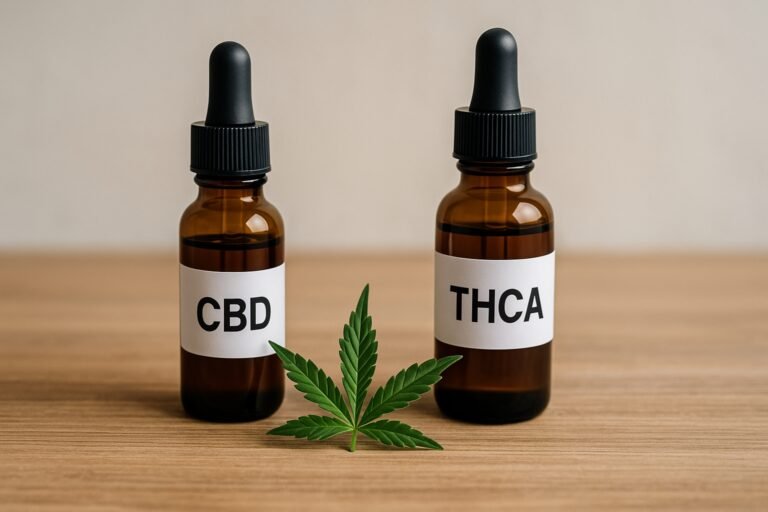
The fundamental difference lies in the cannabinoid composition. CBD (cannabidiol) and THC (tetrahydrocannabinol) are both found in cannabis plants, but they interact with your body very differently.
Hemp derived CBD products contain less than 0.3% THC by federal law. This trace amount is far too small to produce any intoxicating effects, even when smoked. Think of it as the difference between drinking alcohol free beer versus regular beer – the process might be similar, but the effects are entirely different.
When you smoke CBD, you’re essentially accessing the therapeutic compounds without the mind altering experience associated with marijuana.
How Smoking CBD Affects Your Body
Smoking delivers CBD directly to your lungs, where it rapidly enters your bloodstream and reaches your brain within minutes. This process, called pulmonary absorption, bypasses your digestive system entirely.
Your body’s endocannabinoid system receives these compounds quickly, potentially influencing areas like stress response, sleep regulation, and inflammation management. The effects typically begin within 2 to 5 minutes, peak around 15 to 30 minutes, and can last 1 to 3 hours.
Speed of Effects and Duration
This rapid onset is exactly why some people choose smoking over other CBD methods. Sublingual oils take 15 to 45 minutes to work, while edibles can take 1 to 2 hours. For someone dealing with acute stress or discomfort, smoking provides almost immediate feedback about whether the dose is appropriate.
Is Smoking CBD Safe? The Real Health Picture
Respiratory Considerations
Let’s be direct: inhaling any combusted material carries risks. When you burn hemp flower, you create smoke that contains tar and other byproducts that can irritate your respiratory system.
However, research specifically on CBD smoking remains limited. Unlike tobacco, hemp doesn’t contain nicotine or the hundreds of harmful chemicals found in cigarettes. No studies have established a causal link between smoking CBD and cancer, but the long term effects simply haven’t been studied extensively enough to make definitive claims.
Common short term effects include potential throat irritation, coughing, and dry mouth – similar to what you might experience with any smoke inhalation.
Comparing Risks: CBD vs Tobacco vs Marijuana
Tobacco cigarettes contain nicotine (highly addictive), tar, formaldehyde, and over 70 known carcinogens. Marijuana contains THC levels that can impair judgment and coordination. Hemp flower contains minimal THC and no addictive nicotine.
While smoking hemp is likely safer than tobacco, it’s not risk free. The combustion process itself creates potentially harmful compounds, regardless of what you’re burning.
Who Should Avoid Smoking CBD
Certain individuals should steer clear of smoking CBD entirely:
People with existing respiratory conditions like asthma, COPD, or bronchitis should avoid any form of smoking. Those who are pregnant or breastfeeding should also avoid smoking CBD, as the effects on fetal development aren’t well understood.
If you’re taking blood thinners or other medications, consult your healthcare provider first, as CBD can interact with certain drugs.
Legal Status of Smokable CBD
Hemp Derived CBD and the 0.3% THC Rule
The 2018 Farm Bill legalized hemp at the federal level, defining it as cannabis containing no more than 0.3% THC. This means smokable hemp flower is federally legal, provided it meets this THC threshold.
However, the legal landscape isn’t entirely straightforward. Some states have additional restrictions on smokable hemp products, even if they comply with federal law.
Where You Can Legally Smoke CBD
Public smoking laws vary significantly by location. Many areas that prohibit tobacco smoking also prohibit smoking hemp flower, regardless of its legal status. Private property rules apply – you can typically smoke CBD on your own property, but check local ordinances.
Workplace policies often treat all cannabis related products the same way, regardless of THC content. Many employers prohibit any cannabis use, including CBD.
Drug Testing Considerations
Here’s a crucial point many overlook: even legal CBD products can potentially cause you to fail a drug test. While pure CBD won’t trigger a positive result, hemp flower contains trace amounts of THC.
Regular use of smokable CBD products, especially full spectrum varieties, may allow THC to accumulate in your system over time. If you’re subject to drug testing, this presents a real risk.
Methods for Smoking CBD
CBD Hemp Flowers and Pre Rolls
Raw hemp flower is the most natural option. These are the actual buds of hemp plants, dried and cured for smoking. You can roll them into joints using rolling papers, smoke them in a pipe, or use a water pipe (bong) for a smoother experience.
Pre rolls offer convenience – they’re essentially ready made joints filled with hemp flower. Quality pre rolls typically contain 40 to 100mg of cannabinoids per joint, though potency varies significantly between products and brands.
CBD Cigarettes
These look remarkably similar to traditional cigarettes but contain 100% hemp flower instead of tobacco. Most are nicotine free and designed to provide the familiar ritual of cigarette smoking without the harmful additives.
CBD cigarettes appeal to people trying to quit tobacco smoking, as they maintain the hand to mouth habit and inhalation ritual while eliminating nicotine addiction.
Vaping CBD vs Smoking
Vaporizing heats hemp flower to around 400°F, releasing cannabinoids as vapor without combustion. This method eliminates many of the harmful byproducts created by burning plant material.
Vape pens designed for CBD use special formulated vape oils (not the same as CBD tinctures). These contain CBD extract mixed with vegetable glycerin and propylene glycol to create vapor.
What NOT to Smoke: CBD Oils and Tinctures
Never attempt to smoke regular CBD oil or tinctures. These products contain carrier oils like coconut or olive oil that can be dangerous when heated and inhaled. The oils can leave residue in your lungs and cause serious respiratory problems.
Only use products specifically designed for smoking or vaping.
How to Smoke CBD Safely
Starting Dosage and Technique
Begin with 2 to 3 small puffs from high CBD flower or a pre roll. Inhale gently, hold the smoke in your lungs for a few seconds, then exhale slowly. Wait 10 to 15 minutes before taking more to assess the effects.
Unlike edibles where you’re committed to the dose, smoking allows real time adjustment. You can always smoke more, but you can’t smoke less once it’s in your system.
Start low, go slow remains the golden rule with any cannabis product.
Choosing Quality Products
Look for products with third party lab testing that confirms CBD content and verifies THC levels are below 0.3%. Reputable companies provide Certificates of Analysis (COAs) showing results for potency, pesticides, heavy metals, and solvents.
Avoid products that seem unusually cheap or make exaggerated health claims. Quality hemp flower should have a natural appearance and aroma without chemical smells or artificial additives.
Avoiding Common Mistakes
Don’t mix CBD flower with tobacco – this defeats many of the safety benefits and introduces nicotine addiction risks. Avoid smoking indoors where others might inhale secondhand smoke, especially around children or pets.
Store your products properly in airtight containers away from heat and light to maintain potency and prevent mold growth.
Effects and Benefits of Smoking CBD
What to Expect: Timeline and Sensations
Within 2 to 5 minutes of smoking, you may notice subtle changes in how you feel. This isn’t a dramatic high like THC produces, but rather a potential sense of relaxation or calm.
Many users report feeling less anxious or tense, improved mood, or physical relaxation. The effects are generally mild and shouldn’t impair your ability to function normally.
Effects peak around 15 to 30 minutes and gradually fade over 1 to 3 hours. The timeline can vary based on individual factors like metabolism, body weight, and tolerance.
Why People Choose Smoking Over Other Methods
The primary advantage is speed and control. When dealing with acute stress or discomfort, waiting an hour for an edible to work isn’t practical. Smoking provides almost immediate feedback about dosing effectiveness.
Some users also prefer the ritual aspect – the act of smoking can be inherently relaxing and meditative, separate from any chemical effects.
Realistic Expectations vs Marketing Claims
Be skeptical of products promising miraculous results. CBD is not a cure all, and effects vary significantly between individuals. Some people experience noticeable benefits, while others feel minimal effects.
Research supports CBD’s potential for anxiety reduction and inflammation management, but most studies use pure CBD isolates in controlled settings – very different from smoking hemp flower.
Alternatives to Smoking CBD
Vaporizing as a Safer Option
Dry herb vaporizers heat hemp flower without combustion, reducing harmful byproducts while maintaining fast absorption. The vapor is typically smoother and less irritating than smoke.
Temperature control allows you to customize your experience – lower temperatures (320 to 356°F) preserve more terpenes for flavor, while higher temperatures (356 to 392°F) release more cannabinoids.
Other Fast Acting Methods
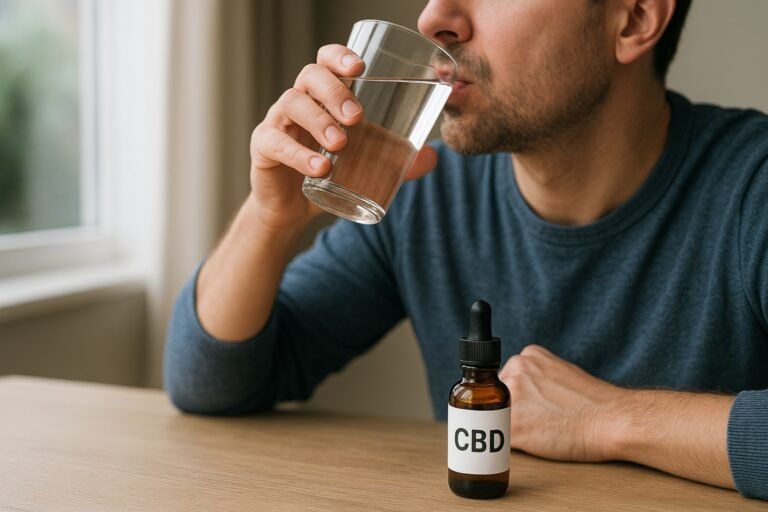
Sublingual tinctures work within 15 to 45 minutes when held under your tongue. While slower than smoking, they avoid all inhalation risks and offer precise dosing.
CBD beverages and fast acting gummies use nano emulsion technology to speed absorption, working in 15 to 30 minutes rather than the typical 1 to 2 hours for regular edibles.
Finding What Works for You
Consider your lifestyle and health priorities when choosing a consumption method. If you have respiratory sensitivities, sublingual or oral methods make more sense. If you need immediate effects and don’t mind inhalation risks, smoking or vaping might work better.
Experimentation with different products and methods, under appropriate medical guidance, helps you find what works for your individual needs and circumstances.
The key is making informed decisions based on accurate information rather than marketing hype or incomplete online advice.